Impact of Decay

Tooth decay can have a significant impact on a child’s growth and development. Later in life, decay impacts adults on multiple fronts including the integrity of tooth structure, function, comfort and confidence in your smile.

Tooth decay (“cavity”) has many causes, including poor oral hygiene, drinking and eating too many sweets.

Baby teeth are “made” differently than adult teeth. It may take a few years for decay to form in permanent teeth however it can develop in only six months in a baby tooth. Decay can develop so quickly in a child that they often do not feel any pain until it is either extremely deep or infection has developed.

Young children with untreated decay are more likely to weigh less than their ideal weight. They may show decreased intellectual, emotional and physical development. Since cavities may be painful these children may experience problems sleeping, become introverted and shy, or develop poor eating habits.

Early detection and treatment, in any age group, are critical in lowering the risk of requiring invasive and costly dental treatment.

Dry Mouth

Few oral health conditions are as underestimated as dry mouth (xerostomia). It is the symptom of a dry mouth, due to a subjective or actual decrease in volume or an alteration in its composition. Dry mouth may be temporary and caused by medications, dehydration or infections (such as mumps). It may also be permanent and is typically due to advanced age, diseases or radiation therapy.

There is a significant difference between having brief, reversible episodes and the ongoing condition of dry mouth. If left untreated, the latter can lead to serious oral conditions.

This is because saliva has an important role in keeping the mouth lubricated, protected and healthy. So when levels decrease the potential for developing oral conditions and diseases significantly rises.

THE FUNCTIONS OF SALIVA

1. WETTING AND LUBRICATING

[list type=”check”]

  • Moistens food to make it easier to chew and swallow
  • Enhances taste
  • Enhances enjoyment of eating food

[/list]


2. PROTECTIVE

[list type=”check”]

  • Is an antimicrobial, lowering the risk of bacterial and fungal infections.
  • Lubricates and protects the skin of the mouth.
  • Irrigates the oral cavity preventing fungal and bacterial colonies from adhering to oral tissues and tooth structure .
  • With a pH of 6.5, saliva has a buffering capacity, maintaining the mouth’s acidity levels at a healthy range.

[/list]


3. DIGESTION

[list type=”check”]

  • Contains enzymes to initialize food digestion.

[/list]


4. DENTAL PROTECTION

[list type=”check”]

  • Neutralizes acid in food reducing the risk of tooth decay and erosion.
  • Contains calcium and phosphates which help re-mineralize teeth, protecting against decay and periodontal disease.

[/list]
Causes of Dry Mouth
The most common biological reasons for developing a dry mouth include talking, exercising, mouth-breathing, snoring, and increasing age. It often develops as a consequence of cancer treatment if the head and neck are exposed to radiation treatment. Smoking and dehydration also commonly cause dry mouth. As well, medical conditions including infection of the salivary glands or Sjögren’s syndrome often result in xerostomia.

Most cases of xerostomia however, are due to the side effects of medications. In fact, xerostomia is listed as a potential side effect of over 400 commonly prescribed medications and patients taking three or more medications are likely to suffer from xerostomia. 1

The most commonly used medications that have xerostomia as an adverse effect are:

[list type=”check”]

  • Medications that treat over-active bladders
  • Anti-histamines, such as benadryl
  • Anti-depressants
  • Blood Pressure medications
  • Sleeping pills

[/list]

The Consequences of Dry Mouth
With the reduced cleansing in the dry mouth, food debris and, bacteria begin to adhere more effectively to teeth and oral soft tissues. As a direct consequence, patients become very susceptible to dental decay. Patients are also susceptible to fungal infections, such as candidiasis.

Other implications include disturbed taste sensation, burning sensations of the skin of the mouth, discomfort in speaking and swallowing, and for patients who wear dentures they have difficulty in managing them and decreased retention of these appliances.

Xerostomia can impact a patient’s quality of life. Since saliva is necessary for digestion, an inadequate amount can make swallowing and speaking difficult, making patients feel self-conscious, embarrassed and anxious. In severe cases, it can even lead to nutritional deficiencies.


Management of Xerostomia

Since the term xerostomia can describe both symptoms as well as the condition of reduced salvia flow, therapies for dry mouth are designed to improve one or all of the following areas:

  • Alleviating the sensation of dry mouth;
  • Replacing or supplementing the missing saliva in the form of artificial saliva; and
  • Supplementing some of the natural salivary enzymes.


Management of xerostomia in general practice may include treating the following:

A. Infection– Treat the patient’s dental and mucosal infections with antifungals, antibiotics and prescription mouth-rinses. Dentists and hygienists should provide oral hygiene instruction. Decay and periodontal disease must be treated immediately with a more frequent periodontal maintenance schedule and an active preventive dental care regimen.
B. Symptoms – Provide recommendations to reduce the symptoms of dry mouth. These include: moisten foods during meals, drink water more frequently, reduce alcohol consumption, quit smoking, and eliminate caffeine from the diet.
Simple, practical measures can also help. These include: drinking frequent sips of water, sucking ice-chips and chewing sugar free gum to stimulate saliva flow. However, patients should also be advised that sipping water might not be enough to manage xerostomia. This is because water wets surfaces rather than lubricating them, therefore symptom relief may be transient.
C. Medications – If a medication is causing xerostomia as a side effect, dental practitioners can advise patients to consult their physicians about reducing the dosage or eliminating the xerostomic medication in order to relieve their symptoms. Alternatively, a prescription for a sialogogue, such as pilocarpine, may help stimulate the production of saliva if the salivary glands are functional and not damaged by disease.
D. Saliva substitutes and stimulants – These are designed to moisturize and lubricate the mouth, and increase salivary production. They are usually in the form of sugar-free gum, tablets, gels, mouthwashes, or toothpastes. They may contain sorbitol, xylitol, enzymes (e.g. lysozyme and glucose oxidase) and fluoride.

OTHER TIPS FOR EASING DRY MOUTH SYMPTOMS

[list type=”check”]

  • Ensure adequate hydration by frequently sipping water
  • Avoid things that dry the mouth such as hard or crunchy food like crackers
  • Practice optimal oral homecare (plaque control)
  • Use a cool air humidifier (clean daily)
  • Chew sugar free gum to stimulate saliva flow
  • A six-month recall examination is the standard for the healthy individual. For patients who are at a higher risk of developing oral conditions and diseases, a three-month preventative care and periodontal maintenance program is ideal

[/list]

Cold Sores

Oral Herpes Simplex Viral (HSV) infections are commonly referred to as “Cold Sores”. The following is an article I had co-written for Canadian continuing education programs for Medical Doctors and Pharmacists.

Viral infections of the oral mucosa are frequently encountered in general practice. The clinical diagnosis of these lesions can sometimes be confusing due to similar clinical presentations as other oral conditions, such as ulcers, blisters, trauma or connective tissue disorders.

There are three types of oral herpetic infections: Acute Primary Herpetic Gingivostomatitis, Herpes Simlex Labialis and Recurrent Intra-Oral Herpes. The clinical presentation, diagnosis and appropriate management of these herpetic infections of the oral mucosa are discussed here.

Acute Primary Herpetic Gingivostomatitis
Approximately 1% of initial oral infections with Herpes Simplex Virus manifests as a very visible and acutely symptomatic primary infection. While this infection usually occurs in children, they also occur in adults . Mild forms look like multiple small punctuate shallow ulcers involving both the keratinizing (dorsal surface of the tongue, hard palate and gums) and non-keratinizing (buccal mucosa, ventral and lateral tongue and vestibule) oral mucosal surfaces. Severe forms may present as large diffuse whitish ulcers that have scalloped borders and erythematous halos. The patient often experiences fever and lymphadenopathy that lasts from 2 to 10 days. The painful ulcers and myalgia make masticating and swallowing difficult. In healthy individuals, these symptoms usually only last 2 to 4 days. However, in an immune-compromised patient an extended period of primary herpetic gingivostomatitis may develop. In these patients, the surface lesions are often larger and deeper than the lesions in healthier patients.

Herpes Simplex Labialis & Recurrent Intra-Oral Herpes
The two clinical types of recurrent oral herpes simplex infections, recurrent herpes labialis and recurrent intraoral herpes, are based on the location of the lesions. Recurrent herpes labialis affects the lips, whereas recurrent intraoral herpes involves the slope of the hard palate or maxillary gingiva. These recurrent lesions are commonly seen after the fragile lips have been manipulated during dental treatment. Lesions on the lips form fluid-filled vesicles that rupture, ulcerate and resolve as crusted brownish lesions. Intraoral lesions differ as they are punctuate with red or white bases. Herpes labialis is the most common form of recurrent herpes simplex infections, and occurs in 15-20% of those who have had a primary infection. As it often occurs following an upper respiratory tract infection, it is frequently referred to as a “cold sore”. The herpes simplex virus remains latent in the trigeminal ganglion but can be reactivated by prolonged exposure to sunlight, trauma and manipulation of the lips, fever, immune-suppression, menstruation, stress and anxiety. Patients often report a prodromal phase of tingling in the area in the days before an oral lesion appears. While patients are often uncomfortable from these infections, they usually do not experience concurrent fevers or lymphadenopathy. However, immune-suppressed patients usually experience larger and deeper lesions and have fevers and lymphadenopathy resembling a primary form of the disease.

When an outbreak starts, it usually goes through these phases:

1. Prodrome—This is often called the “tingle” stage, which is the first warning sign that an outbreak is coming on.
2. Blister—At this stage, swelling develops, with the blister filling with fluid that contains millions of virus particles.
3. Ulcer—At this point, the blister usually ruptures, leaving a painful, reddish ulceration. During this stage the cold sore is most contagious.
4. Scab/Crusting—When the ulcer dries, it leaves a scab or crust. Many find this stage painful because smiling, talking and eating can break the scab open. Severe itching and/or burning is also a problem.
5. Healing—At this stage, the scab starts to come off, leaving some dry flaking and residual swelling.

Patient Behavior

Patients may be uncomfortable talking to their health care professionals about their herpetic viral infections. Alternatively, they may attempt to self-medicate with various products including lip balms and “natural” remedies.

However, they may be more confused than ever, given the new category entrants that promise faster healing but lack sufficient supporting clinical research. Unfortunately, the overabundance of misinformation on the internet related to HSV treatments adds further confusion as the patient has no ability to separate fact from fiction.

Since dental practitioners encounter patients with HSV infections on a routine basis, they should use this opportunity to educate their patients.

Treatment of HSV Infections

Patients should be advised that HSV-1 is self-limiting and lesions will heal without treatment. Since oral herpetic infections can be physically and emotionally distressing to patients, treatment goals should include prevention, palliative measures to help minimize symptoms, and medications that may yield a faster healing process and shorter symptom duration.

Preventive measures must include lowering the risk of trauma to the oral mucosa such as the frequent use sunscreen-containing lip balms. If the manipulation of the lips during dental appointments leads to a manifestation of the infection, the dentist may want to consider prescribing an antiviral medication as a prophylactic.

There are several treatments available to help minimize symptoms. In the prodromal phase antiviral creams, such as Zovirax, can be used. For patients presenting with a lesion, pain control with analgesics and topical anaesthetics and prevention of lesion dryness and cracking with a petroleum-based moisturizer is beneficial. Recurrent herpes labialis and recurrent intraoral HSV infections can be treated with various classes of medications:

1. Over-The-Counter (OTC) Palliative Care Agents — This category of medications relieve symptoms only with no impact on the healing cycle. Examples include topical anesthetics and coating agents (diphenhydramine elixir 12.5mg mixed with kaopectate OTC or Maalox OTC mixed to a 50:50 ratio. Directions are rinse 1tsp for 2min BID and before each meal, and spit out)
2. OTC Cell-Entry Virus Blockers — This class of medications inhibits penetration of viral DNA into healthy oral mucosal cells. They are the only OTC class to have shown a clinically significant positive impact on shortening the healing cycle.
3. Prescription Antivirals — These medications inhibit DNA-polymerase in mucosal cells where viral penetration has already occurred. They shorten the healing period.
4. Healing Patches — These use hydrocolloid technology to form a protective barrier that contains the virus. Not only do they relieve symptoms and have a positive impact on the healing cycle, they also cover herpetic lesions, causing less social embarrassment.
5. Propolis-based NPH products — These indirectly act as an anti-viral agent by interfering with one of the steps of viral replication. They also help prevent the spread of infection through antibacterial and antifungal effects.

Understanding the differences in OTC products is important. Without the proper information, your patients may suffer in silence or use the wrong product, inadvertently prolonging their outbreak. Health practitioners should explain to their patients that OTC treatments such as lip balms may include moisturizers to prevent cracking and analgesics to relieve comfort, but they have not been proven to shorten the healing period.

The sooner treatment begins, the more effective a treatment will be. Unlike prescription products, a clinically proven OTC medication could allow patients to treat their cold sore immediately at the first tingle.

Erosion

Throughout the course of an individual’s life, teeth are exposed to many physical and chemical insults, which can contribute to their deterioration. As lifestyles have changed through the decades, the amount and frequency of consumption of acidic foods and drinks have increased. Since more people are keeping their teeth longer, erosive wear is becoming increasingly significant in the management of the long-term health of the dentition and the overall well-being of those who suffer its effects.

Dental erosion is the progressive, irreversible loss of tooth structure caused by chemicals such as dietary, gastric, or environmental acids that are placed in prolonged contact with the teeth.

Erosion alters the appearance and anatomy of the tooth and can lead to extreme sensitivity and can compromise the esthetic appeal of one’s smile.

Diagnosing this condition and initiating treatment can be quite challenging to the dental professional. While preventive and restorative treatments have been successful, with significant erosive loss of tooth structure extensive dental treatment may be necessary.

The primary causes of dental erosion include:

[list type=”check”]

  • Diet – acidic fruits, juices, carbonated beverages and sports drinks, herbal teas, vinegars and pickled foods, candies.
  • Medications – chewable Vitamin C and Aspirin tablets, iron tonics, and saliva substitutes.
  • Occupation – these are the result of the presence of certain atmospheric gases that become mixed with the saliva, producing acidic solutions.
  • Sports – swimming in improperly chlorinated commercial pools.
  • Overt vomiting or regurgitation of gastric fluids into the mouth.
  • Consequences of anatomic defects, such as hiatus hernia, gastroesophageal reflux disease and esophageal diverticulosis.
  • Psychological problems such as alcoholism, bulimia and anorexia nervosa.
  • Medical conditions such as peptic ulcer and morning sickness during pregnancy.

[/list]

Preventive & Restorative Treatment Options

Early recognition, elimination of the causative habit and behaviour modification are the most effective treatments of dental erosion. However, once it has occurred, erosion is irreversible and can only be treated with preventive measures for early erosions and restorations for more advanced lesions.

Preventive measures include eliminating acids and improving the resistance of the teeth to acidic attacks. Using sugar-free chewing gum to increase saliva flow and drinking ample amounts of water for a greater cleansing effect also are beneficial. Fluoride mouth-rinses, gels and varnishes, as well as dental bonding can be applied to reduce hypersensitivity, stop tooth structure softening by dietary acids and encourage the rebuilding of enamel. Restorative treatments, such as fillings and crowns, or referral to specialists may be indicated for extensive tooth loss.

Effective Tips for Preventing Dental Erosion

[list type=”check”]

  • Drink highly acidic drinks with a straw to keep acids away from your teeth.
  • Do not swish highly acidic drinks in your mouth, such as colas and juices.
  • Use a soft-bristled toothbrush with gentle strokes.

[/list]

Oral Piercing and Health

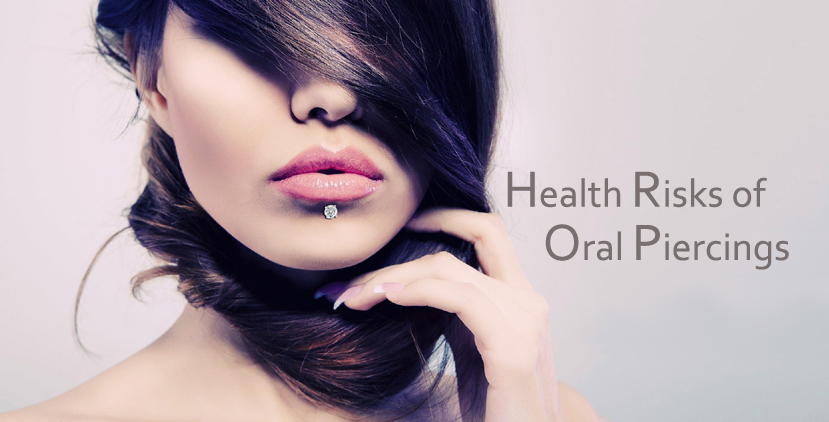
lip piercingPiercing the tongue, lip or cheeks has become a popular form of self-expression. People interested in this trend should be aware that it is not without health risks.

Risks Associated with the Procedure

[list type=”check”]

  • Infection – When the skin is penetrated for surgical or cosmetic procedures there is always a risk of infection developing, and the potential for infection is higher especially for treatment involving the oral tissues because the mouth is full of bacteria.
  • Bleeding – Any procedure that involves piercing the oral tissues may result in prolonged bleeding due the constant wet environment, which drastically slows the clotting process.
  • Swelling – The risk of swelling and delayed healing is especially high for tongue piercing because the tongue is constantly in motion. Since the tongue can swell significantly, there is a risk of airway blockage.
  • Nerve Damage – The tongue is filled with nerves that control movement (for speech and chewing) and taste. A piercing can damage these nerves permanently
  • Blood-borne disease transmission – It is no surprise that the process of getting a piercing always carries the risk of being exposed to bacteria, such as those that cause tetanus infections, or viruses, such as those responsible for Hepatitis B, C and D.
  • Endocarditis – The wound created during a piercing provides the opportunity for oral bacteria to enter the bloodstream, where they can easily travel to the heart. For people who have specific heart conditions, the bacteria can potentially cause inflammation and infection of the heart valves or tissues.

[/list]


Complications Associated with the Jewelry

[list type=”check”]

  • Gum and Bone Loss – The risk of gum and bone loss around teeth is a significant concern for those with lip piercings. The fasteners used to hold a piercing in place continually rub and irritate the gums and bone, which always result in a localized thinning of these tissues. With extensive bone loss there is also the potential for tooth loss.
  • Tooth Fracture – The risk of fracturing a tooth is always a concern for those with tongue piercings. Accidentally biting down onto the stud can result in chipping or severe fractures of tooth structure, and in some cases the tooth cannot be restored with a filling and would then require extraction and replacement.
  • Interference with normal oral function – Oral jewellery can stimulate excessive saliva production, can interfere with the ability to pronounce words clearly, and may cause problems with chewing and swallowing food.
  • Interference with oral health evaluation – Jewellery in the mouth can block the transmission of x-ray radiographs. Clear and unobstructed radiographs are essential to a complete oral health evaluation. Jewellery may prevent the x-ray from revealing conditions like cysts, abscesses or tumours.
  • Aspiration and Ingestion – There is always the possibility that the fasteners can loosen and become undone. These components are a choking hazard if it obstructs the airway, and they can lead to injury if they are aspirated into the lungs or ingested into the digestive tract.

[/list]

Dentures

dentures 1We can help restore the form and function of your mouth if teeth have been lost with the use of removable artificial teeth. Dentures are removable replacements for missing teeth made with acrylic resin and sometimes metal for additional structural support. The acrylic teeth that are held in place by the gums, neighbouring teeth, clasps and/or dental implants.

The general advantages of dentures include a relatively easy and quick way to replace missing teeth, depending on the design it can be very esthetic, and compared to other tooth-replacement options it is less expensive.

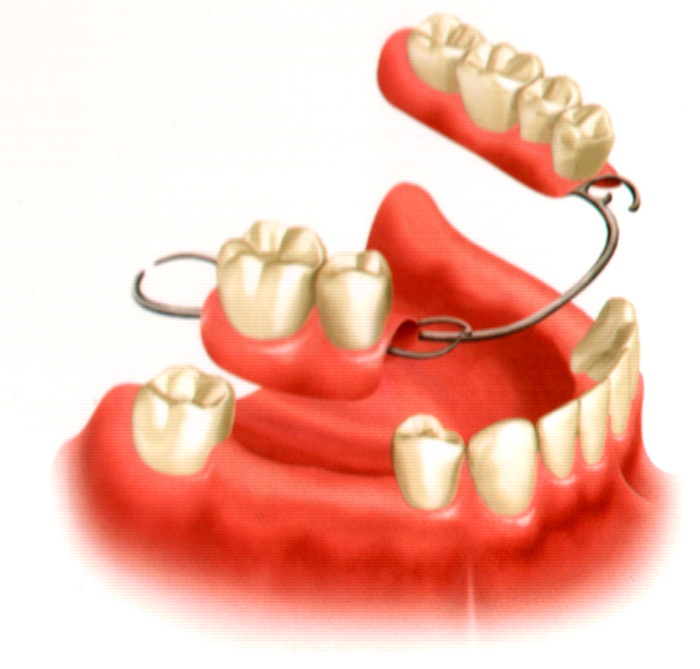
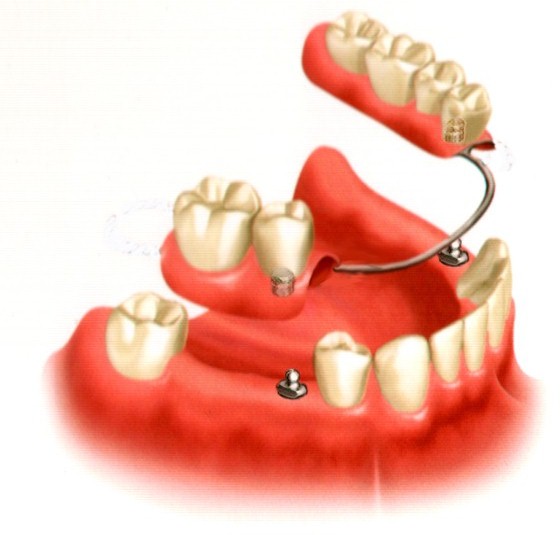
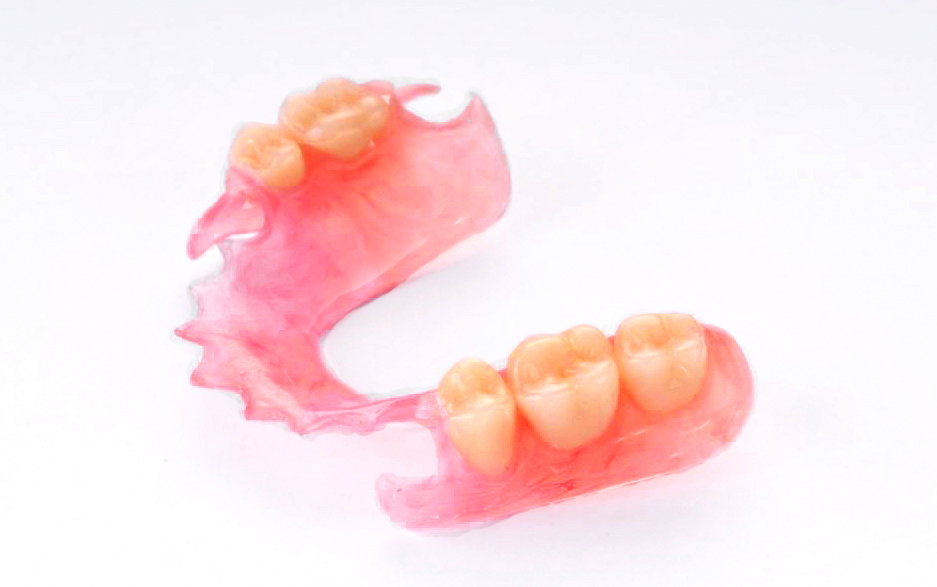
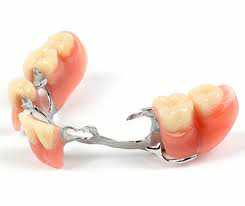
Dentures can replace all of your missing teeth (“Complete Denture”) or replace a few missing teeth (“Partial Denture”) with multiple variations of each type.


Partial Denture Design Options
Similar to bridges, partial dentures help to restore the loss of one or a few teeth. Here are a few design options.


[column col=”1/2″]

partial denture 1

Partial denture supported by teeth.

[/column]

[column col=”1/2″]

partial denture 2

Partial denture supported by implants

[/column]


partial denture 4partial denture 3


Partial dentures can be made of acrylic only or made with a metal framework with teeth bonded to it.


Full Denture Design Options
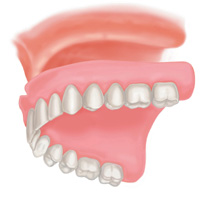
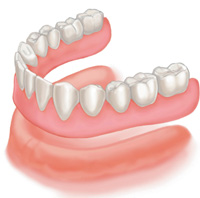
Complete Dentures are used if there are no teeth left in the mouth to support them, in which case they are held in place by either the suction effect created by the jaw bones and gums or they can be retained by dental implants.
Full dentures help to restore the loss of all teeth in the upper and/or lower jaws. Here are a few design options.

full Upper DentureFull Lower Denture


Conventional full upper and lower acrylic dentures are removable and supported by healthy gums and bone.


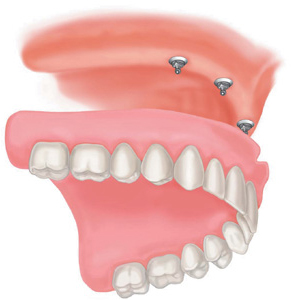
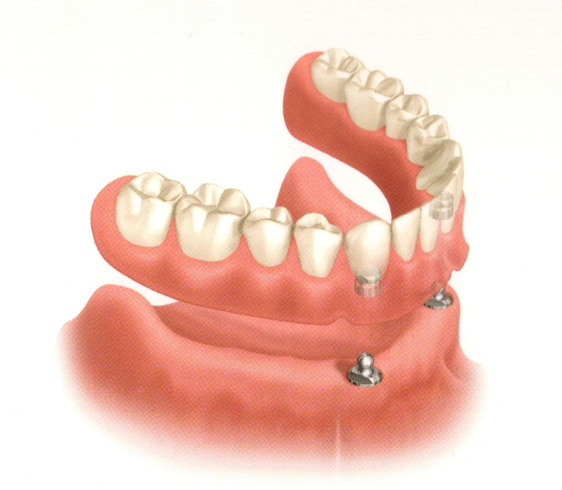
Since the gums and bone shrink over time, their retentive ability diminishes and results in uncomfortable ill-fitting dentures.  The current standard of care is retaining these artificial teeth with dental implants, serving to maintain excellent function.

implant full upper dentureimplant full lower denture


Full upper and lower dentures are retained by dental implants. The number and position of dental implants is dependent upon the quality and quantity of the available bone.

Our office is conveniently located in the heart of Thornhill in Vaughan. In an effort to make dental care easy and convenient for all of our patients, we provide a complete range of specialized treatments, all under one roof. From paediatric dentistry to orthodontics, dental implants and preventive treatments, we minimize the need for outside referrals. Our office offers appointments throughout the week including evenings, Saturdays and Sundays. Call us today to schedule a free consultation or if you have a dental emergency.


Anti-Snoring Appliances

anti snoring 1

Why do we snore?
Contrary to popular belief, snoring isn’t simply a bad habit that a person can be trained to give up. In most cases, snoring occurs when the muscles of the throat relax during sleep, narrowing the passage of air. Muscle relaxant medications, excess tissue in the throat, and a deviated nasal septum can each contribute to a worsening of this condition. As the person breathes during sleep, the passage of air through the narrowed opening causes the characteristic “rattling” sound of snoring.

The Harmful Effects of Snoring
Snoring may also be a warning sign of a much more serious medical disorder, Obstructive Sleep Apnea. This occurs when excess tissue blocks the airway, lowering the volume of air passing into the lungs, and therefore reduces the amount of oxygen in the body. As a result, the heart compensates by pumping harder and increasing the blood pressure to maintain the oxygen supply throughout the body. To compensate for the insufficient oxygen, most sufferers wake briefly and repeatedly throughout the night to “come up for air”.
Snoring without apnea is not typically harmful to one’s health (it’s just annoying for those sleeping with you). However, careful medical attention is required to ensure OSA is properly diagnosed and treated.

What can you do to decrease snoring?
The following recommendations may help reduce the snoring tendency and they include:

[list type=”check”]

  • Lose excess weight,
  • Exercise regularly,
  • Avoid smoking,
  • Avoid tranquilizers, sleeping pills or antihistamines before going to bed,
  • Avoid Alcoholic beverages within four hours of bedtime,
  • Avoid heavy meals within four hours of going to bed,
  • Sleep on your side, rather than on your back, and
  • Raise the head of the bed.

[/list]

anti snoring 2

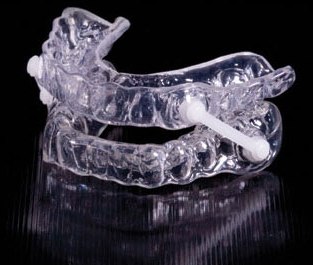
The “Silent-Nite” anti-snoring appliance works by gently repositioning your jaw while sleeping allowing more air to flow freely, providing you and your spouse with a restful sleep.


The benefits of wearing the “Silent-Nite” anti-snoring appliance include:

[list type=”check”]

  • A removable appliance that is custom fit to your teeth
  • Non-invasive procedure that does not involve surgical intervention
  • Easily inserted over the upper and lower jaw
  • Relatively small and easy to wear

[/list]


Best of all it will give you that good night’s sleep you have been looking for.

Our office is conveniently located in the heart of Thornhill in Vaughan. In an effort to make dental care easy and convenient for all of our patients, we provide a complete range of specialized treatments, all under one roof. From paediatric dentistry to orthodontics, implants and preventive treatments, we minimize the need for outside referrals. Our office offers appointments throughout the week including evenings, Saturdays and Sundays. Call us today to schedule a free consultation or if you have a dental emergency.

Porcelain Bridge

bridge 1

Are you tired of not enjoying the foods you love because of missing teeth? Restore the function you have lost with bridge-work, a very reliable solution for dental problems caused by accidents, diseases or wear and tear.

Bonded and Not Removable
A porcelain bridge replaces missing teeth with artificial teeth and “bridges” the gap where one or more teeth are missing. The porcelain artificial teeth are bonded to teeth or dental implants on either side of the gap created by missing teeth. Since it is not removable it will provide a very esthetic and natural appearance, you will have increased confidence in function and it will feel similar to having natural teeth.

Improve Your Function
A bridge not only restores the function lost by a missing tooth, it maintains the shape of your face, alleviates the stress from your bite, and distributes the forces of chewing onto multiple teeth.

Healthy Foundation
The success of any bridge depends on its foundation which includes the neighbouring teeth to which it is attached, supporting gums and bone. Therefore, it’s very important to keep your existing teeth, gums, and jaw healthy and strong.

Bridge Options
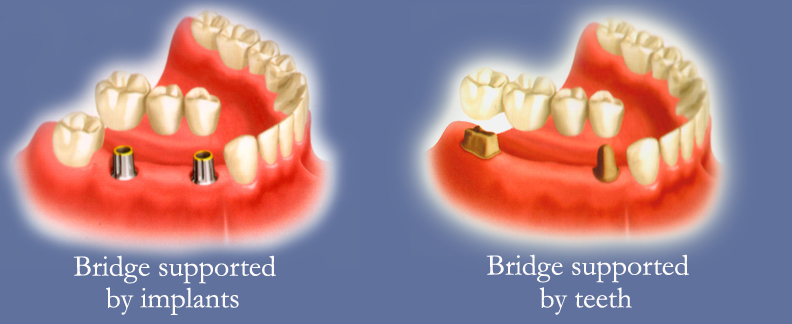
A porcelain bridge can be attached to two or more teeth on either side of a gap created by missing teeth. Alternatively, if the gap is too large, a porcelain bridge can attach to two or more dental implants.

bridge 2

A bridge that replaces more than one missing tooth may require more teeth or dental implants for additional strength and support.

Bad Breath

bad breath


Bad Breath, or halitosis, is a sign that there may be a problem with your oral health.


Treating it may be as simple as improving your daily oral hygiene or it may indicate the presence of extensive tooth decay, gum disease or another medical problem.

According to dental studies, approximately 85% of people have persistent bad breath caused by dental conditions. Causes include gum disease, cavities, poor oral hygiene, dry mouth, certain health conditions and foods.


How to prevent bad breath?

[list type=”check”]

  • visit the dentist regularly for periodontal maintenance and hygiene
  • brush your teeth and tongue twice per day
  • floss your teeth daily
  • Rinse your mouth with non-alcoholic mouthwash
  • avoid tobacco
  • avoid alcohol and caffeine as they contribute to dry mouth

[/list]

Bad breath is a warning sign. Have a dentist take a look at your mouth!

Our office is conveniently located in the heart of Thornhill in Vaughan. In an effort to make dental care easy and convenient for all of our patients, we provide a complete range of specialized treatments, all under one roof. From paediatric dentistry to orthodontics, implants and preventive treatments, we minimize the need for outside referrals. Our office offers appointments throughout the week including evenings, Saturdays and Sundays. Call us today to schedule a free consultation or if you have a dental emergency.

Bonding

bonding 1

Dental bonding may be a quick, cost effective and conservative way to improve your natural smile dramatically!

The Most Conservative Cosmetic Procedure
Dental bonding can correct imperfections such as gaps, chips, spots and discolorations. Depending on your condition this procedure may also be able to repair fractures and re-shape teeth.

No Uncomfortable Needles
The procedure is quick and comfortable, often done with no anaesthesia. Your Doctor will lightly disinfect and roughen up the surface of your teeth with a gel, apply adhesive, apply the tooth-coloured bonding acrylic and then sculpt the material into the desired shape.

What You Need To Know
While this procedure is a great solution for correcting flaws, it is not necessarily permanent. Because acrylic is not as strong as enamel, there is a possibility that your teeth can once again stain, chip, and break. This is especially true if the bonding has been applied to the edges of your front teeth. Remember, biting and chewing can be quite traumatic to your teeth. Additionally, bonding is resistant to the effects of whitening procedures. A colour adjustment of the bonding may be necessary if you decide to brighten your smile.

The Alternative
We can create a smile that is so alive, friends may comment on how amazing you look. However, due to a few minor limitations you may want to consider porcelain veneers, which is often performed on movie stars. This alternative requires more office visits than bonding but may be your best treatment option if you desire a longer-lasting solution.

Our office is conveniently located in the heart of Thornhill in Vaughan. In an effort to make dental care easy and convenient for all of our patients, we provide a complete range of specialized treatments, all under one roof. From paediatric dentistry to orthodontics, implants and preventive treatments, we minimize the need for outside referrals. Our office offers appointments throughout the week including evenings, Saturdays and Sundays. Call us today to schedule a free consultation or if you have a dental emergency.