

Dry mouth
Persistent dry mouth can affect your comfort, oral health, and overall quality of life.
What is dry mouth?
Dry mouth is the sensation of having insufficient saliva in the mouth. It may be temporary or ongoing depending on the underlying cause.
While many people view dry mouth as a minor inconvenience, persistent xerostomia can have serious consequences for oral health because saliva plays a critical role in protecting teeth, gums, and oral tissues.
If left untreated, chronic dry mouth can increase your risk of cavities, infections, gum disease, and difficulty eating or speaking.
Why is saliva important?
Saliva has an important role in keeping the mouth lubricated, protected and healthy. So when saliva levels decrease, the potential for developing oral conditions and diseases significantly rises.
Wetting & lubrication
Saliva helps:
✓ Moisten food for easier chewing and swallowing
✓ Improve taste perception
✓ Enhance comfort while eating and speaking
Protection
Saliva naturally helps:
✓ Reduce harmful bacteria and fungi
✓ Protect the soft tissues of the mouth
✓ Wash away food particles and debris
✓ Maintain healthy pH levels in the mouth
Digestion
Saliva contains enzymes that begin the digestive process as soon as you start eating.
Dental protection
Without adequate saliva, the mouth becomes much more vulnerable to disease and infection. Saliva helps:
✓ Neutralize acids that can damage teeth
✓ Reduce the risk of tooth decay
✓ Support enamel remineralization
✓ Protect against periodontal disease
What causes dry mouth?
Saliva has an important role in keeping the mouth lubricated, protected and healthy. So when saliva levels decrease, the potential for developing oral conditions and diseases significantly rises.
Medications
Dry mouth is one of the most common side effects of prescription medications. In fact, hundreds of commonly prescribed medications list xerostomia as a potential side effect. Common examples include:
– Blood pressure medications
– Antidepressants
– Antihistamines
– Sleeping pills
– Overactive bladder medications
Medical conditions
Certain health conditions can affect saliva production, including:
– Sjögren’s syndrome
– Salivary gland disorders
– Infections
– Auto immune conditions
Cancer treatment
Radiation therapy involving the head and neck may permanently affect salivary gland function.
Lifestyle factors
Smoking, dehydration, mouth breathing, snoring, excessive alcohol consumption
Aging
Salivary flow naturally decreases with age in some individuals.
Experiencing dry mouth?
If you’re experiencing persistent dry mouth, early intervention can help prevent cavities, gum disease, and other oral health problems.
The consequences of dry mouth
With the reduced cleansing in the dry mouth, food debris and, bacteria begin to adhere more effectively to teeth and oral soft tissues. As a direct consequence, patients become very susceptible to dental decay. Patients are also susceptible to fungal infections, such as candidiasis.
Other implications include disturbed taste sensation, burning sensations of the skin of the mouth, discomfort in speaking and swallowing, and for patients who wear dentures they have difficulty in managing them and decreased retention of these appliances.
Xerostomia can impact a patient’s quality of life. Since saliva is necessary for digestion, an inadequate amount can make swallowing and speaking difficult, making patients feel self-conscious, embarrassed and anxious. In severe cases, it can even lead to nutritional deficiencies.

Management of Xerostomia
Since the term xerostomia can describe both symptoms as well as the condition of reduced salvia flow, therapies for dry mouth are designed to improve one or all of the following areas:
- Alleviating the sensation of dry mouth;
- Replacing or supplementing the missing saliva in the form of artificial saliva;
- Supplementing some of the natural salivary enzymes.
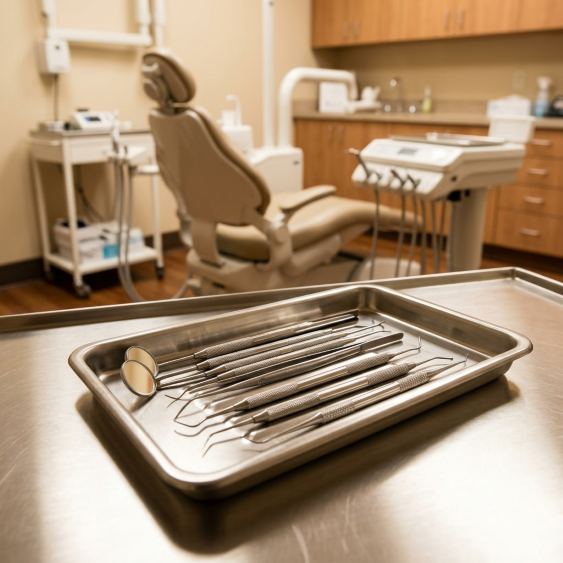
Management of xerostomia in general practice may include treating the following:
Infection– Treat the patient’s dental and mucosal infections with antifungals, antibiotics and prescription mouth-rinses. Dentists and hygienists should provide oral hygiene instruction. Decay and periodontal disease must be treated immediately with a more frequent periodontal maintenance schedule and an active preventive dental care regimen.
Symptoms – Provide recommendations to reduce the symptoms of dry mouth. These include: moisten foods during meals, drink water more frequently, reduce alcohol consumption, quit smoking, and eliminate caffeine from the diet.
Simple, practical measures can also help. These include: drinking frequent sips of water, sucking ice-chips and chewing sugar free gum to stimulate saliva flow. However, patients should also be advised that sipping water might not be enough to manage xerostomia. This is because water wets surfaces rather than lubricating them, therefore symptom relief may be transient.
Medications: If a medication is causing xerostomia as a side effect, dental practitioners can advise patients to consult their physicians about reducing the dosage or eliminating the xerostomic medication in order to relieve their symptoms. Alternatively, a prescription for a sialogogue, such as pilocarpine, may help stimulate the production of saliva if the salivary glands are functional and not damaged by disease.
Saliva substitutes and stimulants: These are designed to moisturize and lubricate the mouth, and increase salivary production. They are usually in the form of sugar-free gum, tablets, gels, mouthwashes, or toothpastes. They may contain sorbitol, xylitol, enzymes (e.g. lysozyme and glucose oxidase) and fluoride.
Tips for easing dry mouth symptoms

Concerned about dry mouth?
Saliva plays a vital role in protecting your teeth, gums, and oral tissues. Managing dry mouth effectively can help preserve your oral health and improve your daily comfort.

The Westmount Dental difference
Full service dental office all in one convenient location
Gentle, patient-focused care for a positive experience
Open 7 days a week & extended weekday hours until 7pm
Common questions about dry mouth
We’re here to help. Browse the most common questions below, or reach out to our team directly.
Dry mouth, or xerostomia, occurs when saliva production decreases or saliva composition changes, resulting in a persistent feeling of dryness.
Common causes include medications, aging, dehydration, smoking, medical conditions, mouth breathing, and cancer treatments involving the head and neck.
Yes. Saliva helps protect teeth from decay. Reduced saliva production significantly increases the risk of cavities.
Drinking water frequently, chewing sugar-free gum, using saliva substitutes, maintaining good oral hygiene, and addressing underlying causes can help improve symptoms.
Yes. Hundreds of commonly prescribed medications list dry mouth as a potential side effect.
Testimonials
Our Happy Customers
Join thousands of happy patients who trust us for gentle, expert care and beautiful smiles.
Marisa L.
Customer
“My experience at Westmount Dental is extremely satisfying to my needs. I feel that the staff members are very welcoming and I greatly enjoy coming to this office.”
Andy R.
Customer
“A friend informed me that you are open on Sundays. I came to you with one wish, “All I want for Chanukah is my two front teeth (which I cracked).” You fixed it and I became a regular patient. Thank you.”
Katia L.
Customer
“As an Invisalign patient I feel that the treatment was very rewarding. I’m very impressed with my new smile. Dr. Buzaglo, Dr. Bana and the team at Westmount Dental have made me feel good about myself again!”